What is a eating disorder?
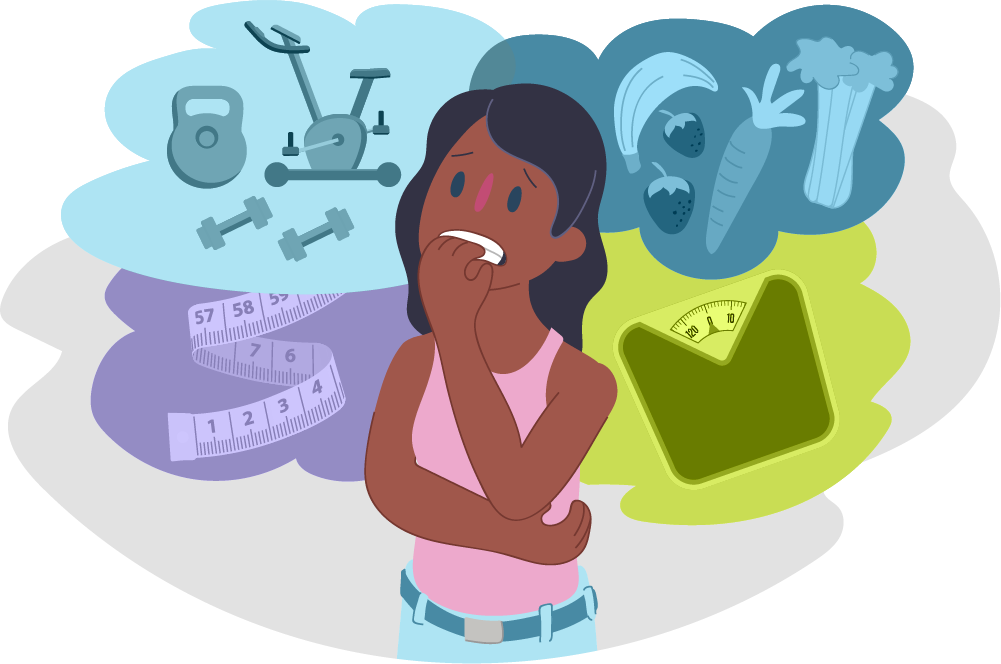
A eating disorder is a illness where the sufferer has a extremely bad relationship when it comes to food and there body image.
Eating disorders are normally about control when they feel they are losing control of other accepts of there life food is something that they can control.
Anyone can suffer from a eating disorder no matter there age or if they are male/ female.
Eating disorders can have a serous effect on the body and how it functions.
If left untreated they can be fatal and even lead to death.
Types of eating disorders
Anorexia
Binge eating
Bulimia
rumination (chew and spit)
Pica (eating none food items)
Causes of a eating disorder
Genetics
Eating disorders can run in families if you have a family history of eating disorders then you are at a higher risk of developing one over someone who dose not have a family history of eating disorders.
Mental health
If you already suffer from other mental health issues such as depression, anxiety and substance abuse are some examples this can lead to a eating disorder.
Environmental
Pressure caused by your work or school life and things such as your living conditions and the people you surround yourself with.
abuse/ trauma
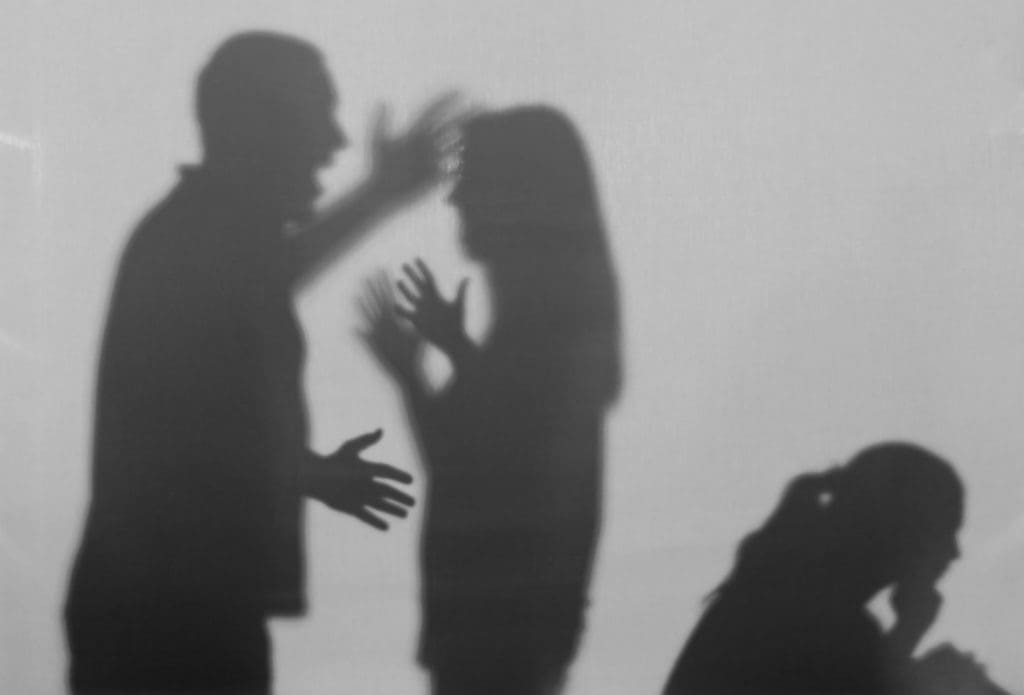
Any form of abuse or if you have went through a traumatic experience these can lead to eating disorders as a way to control the feelings you have towards the abuse.
Other people
Someone may make a small comment about your weight or you eating habits they mean nothing by it but that comment can have long lasting damage on that person.
Seeing pictures of other people online and wanting to look like them thinking that is what you have to look like in order to be accepted and fit in.
Bullying being bullied about how much you weigh and your looks.
Athletes
Participating in a sport that requires you to be of a low weight or to lose weight some example are gymnastics, dancers and fighters.
personality traits
Things such as having a compulsive or controlling personality can put you at higher risk of developing a eating disorder.
Dieting
Thinking you have to go on a diet in order to lose weight and restricting and avoiding foods can cause a eating disorder.
Signs to look for in other people
Dramatic Weight loss or weight gain
Extreme mood swings
Socially withdrawn
Constantly Tired with no energy
Lying about what they have/ have not eaten
poor skin , nails and hair condition
Unfocused and easily distracted
Thinking they are overweight or need to lose weight and always making negative comments about them self
Wearing baggy clothes to hide there weight loss
Recovery
Admitting to your self that you need help is the first step to recovery.
you can get help and support from people but unless you want to change and admit you have a problem then it is not going to work.
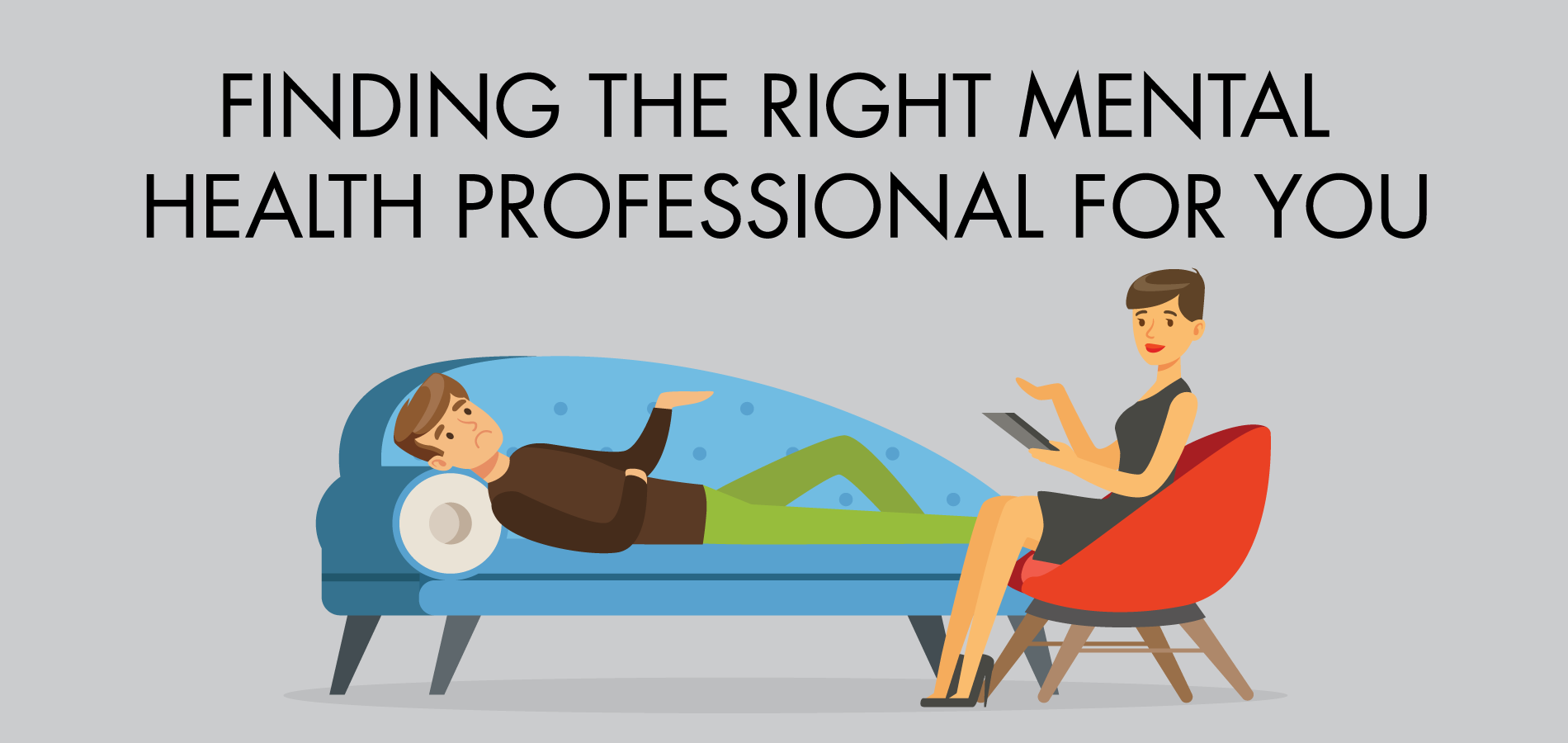
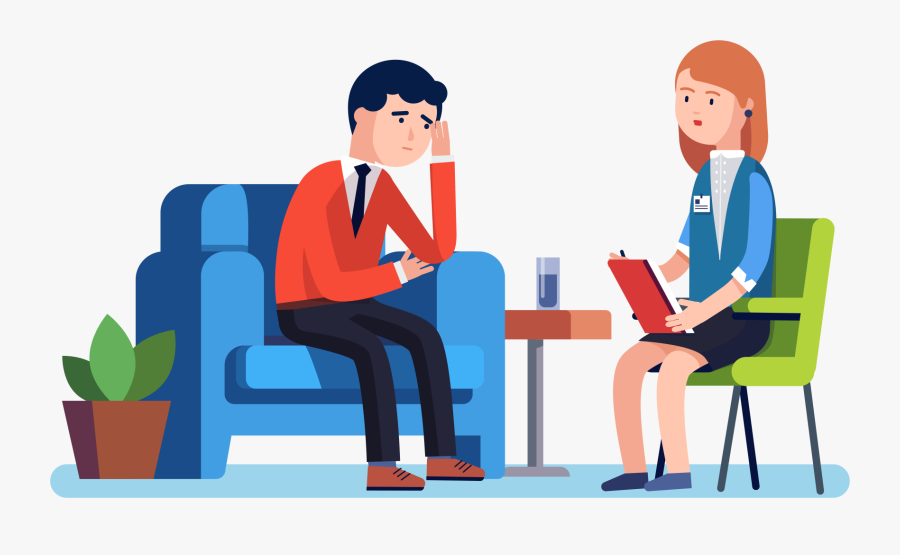
Talking to someone is the next step it could be a close friend or family member or making a opponent at the doctors could be better for you.
Even finding a online support group where you can talk to someone who will actually understand what you are going through.
You may feel embarrassed or ashamed to open up to people and have a fear of being judged but just remember that these emotions are normal.
Treatment
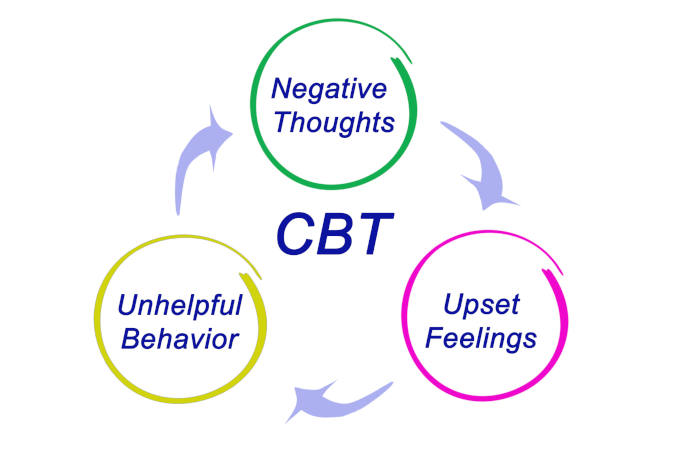
CBT (cognitive behaviour therapy)
This is a type of talking therapy where they try to change your way of thinking and the negative thoughts you are having.
It looks at new ways to deal with you emotions and changing the bad habits that you have.
Admitted to hospital or a eating disorder clinic
if you are extremely unwell you may have to go to a clinic for extra help.
you could be a out patient meaning you can go home in the evenings.
Or a in patient meaning you have to stay there for some time until they feel you are well enough to leave and look after your self .
keeping a food journal
Keep a food diary of everything you eat in a day.
Keep note of how you felt during the day and if there is a connection between how your feeling that triggers your eating disorder.
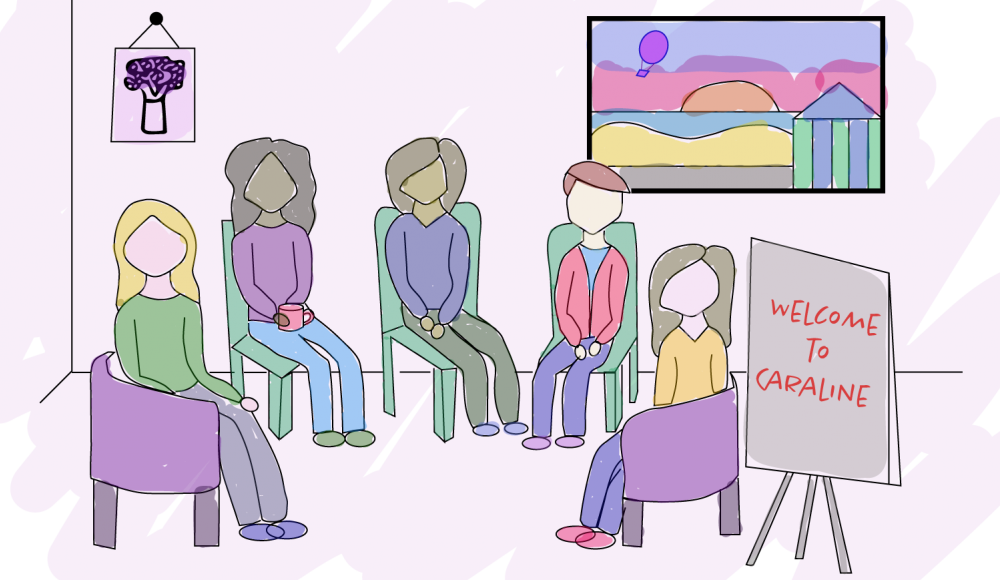
support groups
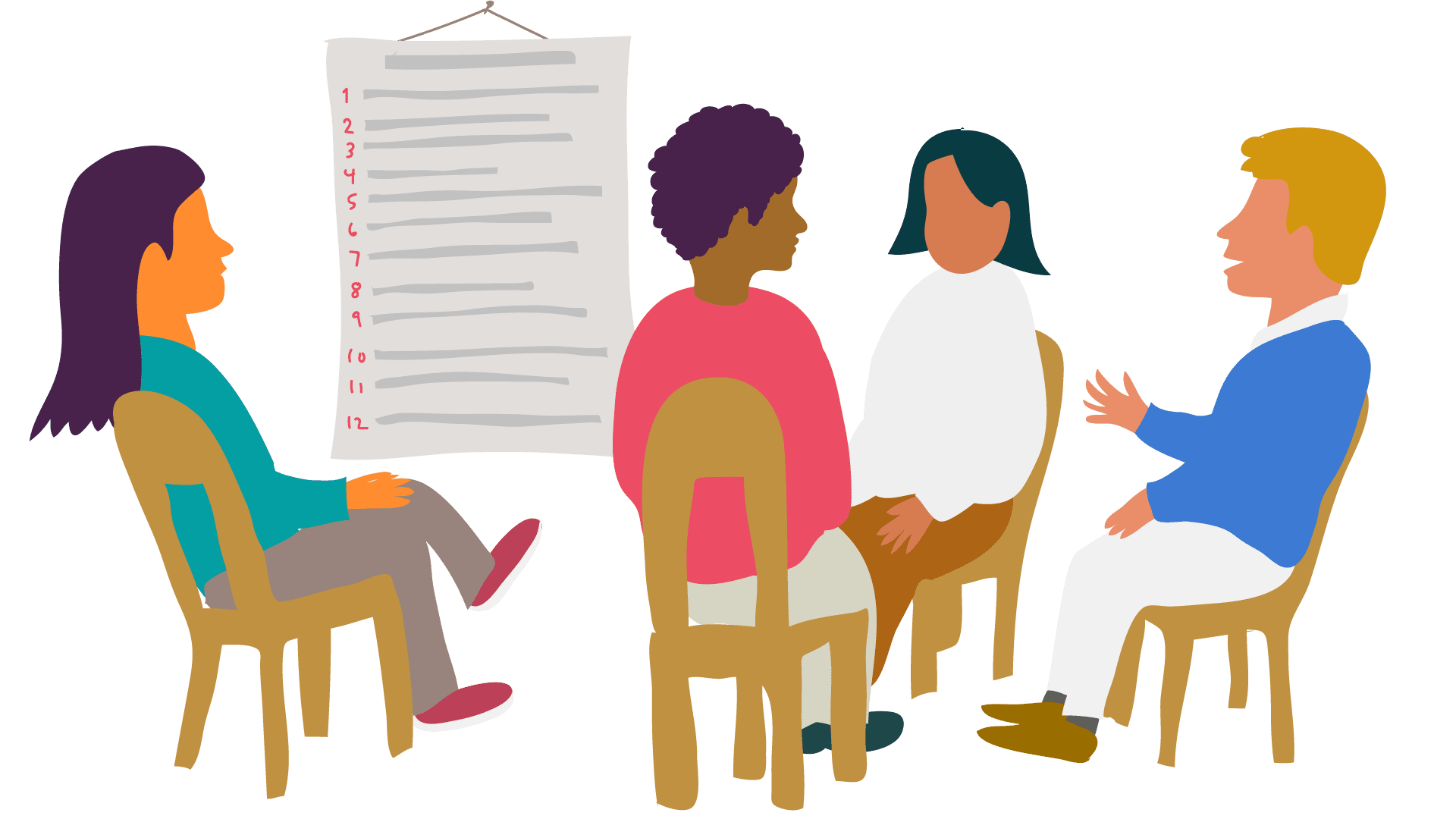
These are groups where you meet people going through similar stuff as you by attending these groups it will make you feel less alone.
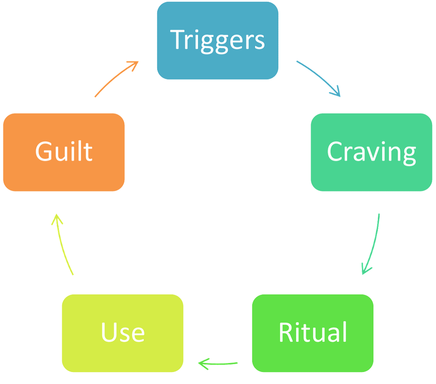
Triggers
Find out what triggers your eating disorder is it stress or pressure that makes you feel the need to control your food.
Do not skip meals
Have a set eating pattern so your body can get into a routine and no when to expect food.
By keeping to meal plan will also mean you have less cravings and become overly hungry which can then lead to a binge later on.
Relapsing
Relapsing back into old habits is common with people who are in recovery from a eating disorder.
If you do relapse the worse thing you can do is give up completely try to remember you have been here before and have gotten yourself through it before so you can do it again.



















 Fighting Thai Style